EPA Announces Improvements to Keep New Hampshire Waters Clean
A major step forward for New Hampshire's water quality
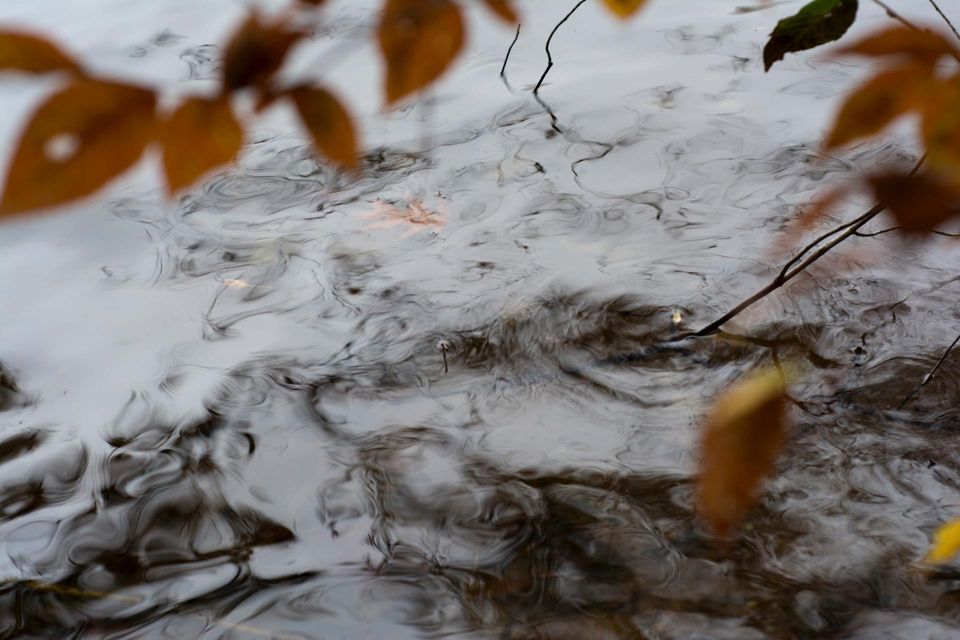
Today, U.S. Environmental Protection Agency (EPA) announced a major step forward for New Hampshire's water quality with improved stormwater management requirements as well as an array of training and implementation tools to assist municipalities with implementation.
05/10/2018
BOSTON – Today, U.S. Environmental Protection Agency (EPA) announced a major step forward for New Hampshire's water quality with improved stormwater management requirements as well as an array of training and implementation tools to assist municipalities with implementation.
The new permit (which EPA issued in 2017 but has not yet taken effect) will update stormwater management efforts across the state's urbanized areas that will better protect rivers, streams, ponds, lakes, and wetlands from harmful pollutants in many communities. While updating ecological protection, the permit also maximizes flexibility for individual municipalities to tailor their efforts to individual needs and local conditions.
"EPA has worked very hard with local and state officials to develop permits that reflect a practical, common-sense approach to protect and restore New Hampshire's waterways," said EPA Region 1 Administrator Alexandra Dunn . "We will continue to work closely with our partners to ensure we provide communities with a great deal of flexibility in local management practices and maintain the highest water quality."
Stormwater is the leading cause of impaired water quality in New Hampshire and carries a wide range of pollutants to the state's waterways, including bacteria and viruses that close beaches and shellfish beds; toxic metals; and excessive phosphorus and nitrogen that can stimulate algae blooms in New Hampshire's ponds, lakes, rivers, and coastal waters. In addition to water quality impacts, changing rain patters have increased the volume of stormwater that small "Municipal Separate Storm Sewer Systems" (MS4s) must handle, leading to increased flooding risk throughout New Hampshire.
To address these problems, EPA has issued an updated permit that will help clean up New Hampshire waters and alleviate flooding by improving stormwater management in municipalities. Working closely with New Hampshire Department of Environmental Services (NHDES), and with extensive community input, EPA developed permit requirements that will:
- Find and eliminate illegal sewage discharges from stormwater systems;
- Implement common-sense practices to keep pollution out of stormwater—for example, better street sweeping and cleaning of stormwater catch basins; and
- Make sure that new development incorporates modern stormwater management, to avoid adding to the problem.
EPA has worked closely with NHDES to conduct training and outreach to help municipalities get ready for the new permit. Topics have included permit overview presentations, Notice of Intent preparations, town meeting attendance and GPS training. In addition to the training provided, EPA has also produced tools to assist municipalities in implementing the permit requirements, such as a stormwater management plan template, templates for illicit discharge procedures, and examples of ordinances. The permit will go into effect on July 1 and the first submittal for municipalities will be the Notice of Intent for coverage under the permit, which will be due 90 days later.
For more information:
- Updated MS4 Permit for New Hampshire communities and extensive background materials: https://www.epa.gov/npdes-permits/new-hampshire-small-ms4-general-permit
- Tools to facilitate permit implementation: https://www.epa.gov/npdes-permits/stormwater-tools-new-england
- NH fact sheet: https://www3.epa.gov/region1/npdes/stormwater/nh/nh-ms4-permit-info-spring-2018.pdf
- NH first year permit terms: https://www3.epa.gov/region1/npdes/stormwater/nh/nh-ms4-checklist-1st-yr-req.pdf
The following New Hampshire municipalities are covered under the permit:
Allenstown*
Amherst
Atkinson
Auburn
Bedford
Danville
Derry
Dover
Durham
Exeter
Goffstown
Greenland
Hampstead
Hampton
Hollis
Hooksett
Hudson
Kingston
Litchfield
Londonderry
Manchester
Merrimack
Milford
Milton
Nashua
New Castle
Newmarket*
Newton
North Hampton
Pelham
Pembroke*
Plaistow
Portsmouth
Raymond*
Rochester
Rollinsford
Rye
Salem
Sandown
Seabrook
Somersworth
Stratham*
Wilton*
Windham
* Community not previously subject to 2003 MS4 permit